
Dán bùa trước cửa nhà là một trong những phong tục cổ truyền được nhiều gia đình Việt Nam áp dụng để mang lại sự an toàn, may mắn và bảo vệ cho không gian sống. Trong văn hóa dân gian, bùa wards off evil spirits, brings good fortune, and protects the household from negative energies. The practice of placing talismans at the entrance is not merely a superstition; it reflects a deep‑seated belief in the interconnectedness of the physical environment and the spiritual realm. By understanding the origin, types, and proper application of these talismans, one can create a harmonious atmosphere that supports both the inhabitants and visitors.
Có thể bạn quan tâm: Đơn Giá Hoàn Thiện Nhà Liền Kề: Hướng Dẫn Chi Tiết Từ A-Z Cho Người Mới Đầu Tư
1. Nguồn gốc và lịch sử của dán bùa trước cửa nhà
The tradition of placing protective symbols at the doorway can be traced back to ancient agricultural societies, where the entrance was considered the threshold between the outside world and the inner sanctuary. Early humans believed that malevolent spirits could enter through open doors, bringing misfortune or illness. To ward off such threats, they began carving simple symbols on wood, stone, or metal and affixing them near the entryway. Over centuries, these symbols evolved into more sophisticated talismans, incorporating elements of Taoism, Buddhism, and local folk beliefs.
In Vietnam, the practice was heavily influenced by Confucianism and the concept of “đạo” (the way), which emphasized balance and harmony. The most common early talisman was a piece of red paper inscribed with the character “Phúc” (blessing) or “Thần” (deity). As the society progressed, the designs became more elaborate, often featuring images of dragons, phoenixes, or mythological guardians. The arrival of Buddhism introduced the use of mantras and Sanskrit letters, which were believed to possess powerful protective energy.
During the feudal period, royal palaces and temples displayed ornate bronze plaques known as “bùa đồng” (bronze talismans) engraved with protective incantations. These plaques were believed to channel celestial energy and safeguard the structure from both natural disasters and spiritual disturbances. The tradition persisted through various dynasties, and even after the country underwent modernization, many households continued the practice, albeit with simplified forms.
2. Các loại bùa thường dùng
There are numerous types of talismans used at the entrance, each with its own symbolism and intended effect. Below are some of the most prevalent:
-
Bùa chữ “Phúc” (Blessing): A red paper or cloth bearing the Chinese character for “blessing.” It is believed to attract good fortune and prosperity.
-
Bùa “Thần” (Deity): Features an image of a protective deity, such as a door god (Thần Môn) or a local guardian spirit. These are often painted on wooden plaques or printed on silk.
-
Bùa “Lục Dục” (Six Syllables): Inscribed with the mantra “Om Mani Padme Hum,” this talisman is associated with Avalokiteshvara, the bodhisattva of compassion, and is thought to provide spiritual protection.
-
Bùa “Hàng” (Dragon): Depicts a dragon, a symbol of power and authority in Vietnamese culture. It is believed to ward off evil and bring strength to the household.
-
Bùa “Phượng” (Phoenix): Represents rebirth and resilience. Placing a phoenix talisman is said to foster harmony and renewal.
-
Bùa “Tử Vi” (Astrological Chart): Incorporates the occupants’ zodiac signs and celestial alignments, aiming to balance the cosmic energies entering the home.
-
Bùa “Sắc” (Color-coded): Utilizes specific colors (red, gold, black) to attract or repel certain energies. Red is commonly used for protection, while gold signifies wealth.

Dán Bùa Trước Cửa Nhà Có thể bạn quan tâm: Xây Dựng Nhà Bằng Khung Thép: Xu Hướng Kiến Trúc Bền Vững Đang Thống Trị Năm 2026
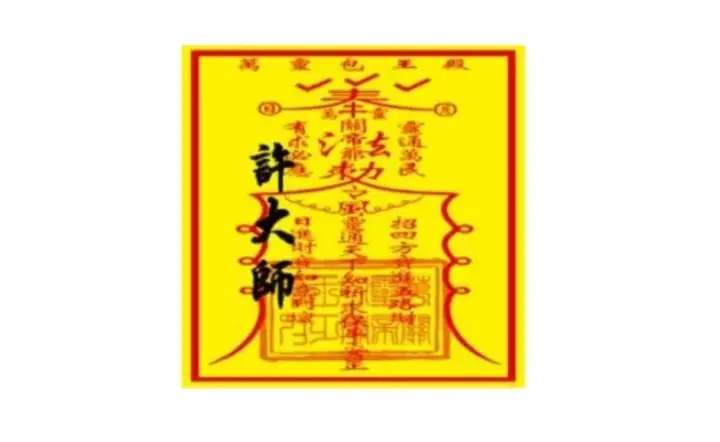
Each type can be combined, creating a layered defense system. For instance, a household might hang a red “Phúc” paper alongside a bronze plaque depicting a dragon, thereby invoking both blessings and strength.
3. Vật liệu và hình thức
The materials chosen for talismans often reflect the era and the resources available. Traditional options include:
-
Gỗ (Wood): Carved plaques, often lacquered, are durable and can be engraved with intricate designs.
-
Đồng (Bronze): Metal talismans are prized for their longevity and the resonance they are believed to produce when struck by wind.
-
Vải (Fabric): Silk or cotton banners, sometimes embroidered, are common in rural areas.
-
Giấy (Paper): Red paper with calligraphy is inexpensive and widely used.
-
Đá (Stone): Stone tablets are placed near the gate in some temples, though less common in residential settings.
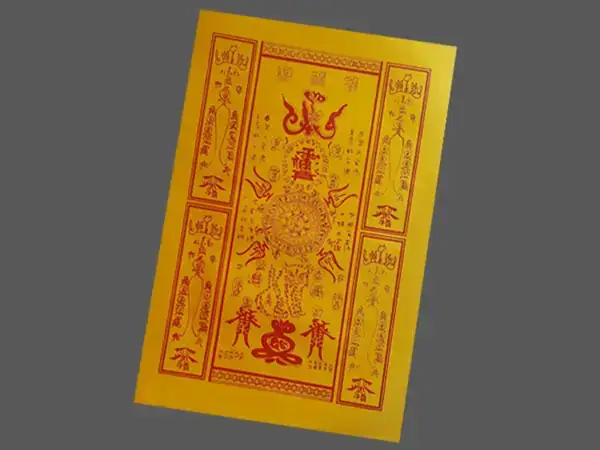
In modern times, synthetic materials such as plastic or acrylic are also employed, often printed with high‑resolution images. While these may lack the traditional “energy” attributed to natural substances, they still serve as visual reminders of protective intentions.
4. Cách dán bùa trước cửa nhà
Proper placement is crucial for the talisman to be effective. The following steps outline a conventional method:
-
Chọn vị trí (Choose the location): The talisman should be affixed at eye level, either on the door itself, the lintel, or a nearby wall. It must be visible to anyone entering or leaving.
-
Đảm bảo sạch sẽ (Ensure cleanliness): The surface should be free of dust, cobwebs, or old adhesive. A clean environment allows the talisman to “connect” more clearly with the energy flow.
-
Định hướng (Orientation): In feng shui, the direction of the talisman matters. For example, a dragon talisman is often placed facing outward to repel negative chi, while a phoenix may be oriented inward to invite harmony.
-
Sử dụng vật liệu dán (Use appropriate adhesive): Traditional methods involve using rice paste or natural resins. Modern alternatives include removable adhesive strips or screws, depending on the material.
-
Thời gian dán (Timing): Many practitioners believe that talismans should be placed during auspicious hours, such as the early morning on a day aligned with the household’s zodiac sign. However, if such timing is not feasible, any clear day is acceptable.
-
Lễ cúng (Optional ritual): Some families perform a brief ceremony, lighting incense and offering a simple prayer to invoke the protective spirit. This step is not mandatory but can deepen the sense of reverence.
5. Ý nghĩa và lợi ích
When correctly installed, a talisman is thought to provide several benefits:
-
Bảo vệ khỏi năng lượng tiêu cực (Protection from negative energy): It acts as a barrier, deflecting harmful influences that may enter through the doorway.
-
Tăng may mắn và tài lộc (Enhance luck and wealth): Certain symbols, like the “Phúc” character, are believed to attract prosperity.
Dán Bùa Trước Cửa Nhà Có thể bạn quan tâm: Bên Trong Nhà Miền Tây: Khám Phá Không Gian Sống Thiết Kế Đương Đại Năm 2026
-
Cải thiện tâm lý (Psychological comfort): The presence of a talisman can instill confidence and peace of mind, reducing anxiety about potential threats.
-
Tăng cường sự hòa hợp (Promote harmony): By aligning the home’s energy with cosmic principles, family members may experience fewer conflicts.
-
Ngăn ngừa tai nạn (Prevent accidents): Some believe that protective talismans can avert mishaps, such as falls or breakage, by maintaining a stable energy field.
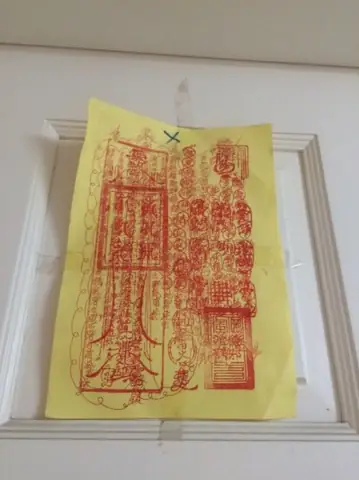
6. Feng Shui và việc dán bùa
Feng shui (phong thủy) is an ancient Chinese practice that seeks to harmonize individuals with their surrounding environment. In this context, the entrance is considered the “mouth” of the home, where chi (energy) flows in and out. Placing a talisman at this strategic point can influence the quality of chi.
Key feng shui principles relevant to talisman placement include:
-
Tương sinh (Generative cycle): The talisman’s element should complement the element of the house. For example, a metal talisman (bronze) can be placed in a house with a wood‑element orientation to create balance.
-
Tương克制 (Controlling cycle): Conversely, if the house has an excess of a particular element, a talisman of a controlling element can mitigate its effects.
-
Vị trí sao (Star positions): According to the flying star chart, certain sectors of the entrance may attract specific stars. A talisman can be used to activate or suppress these stars.
-
Màu sắc (Colors): Red is associated with fire and vitality, while black relates to water and wisdom. Choosing the right color scheme can enhance the desired outcome.
By integrating these principles, a household can create a more auspicious environment, supporting health, relationships, and financial stability.
7. Lưu ý và kiêng kỵ
While the practice is widely accepted, there are several precautions to consider:
-
Không dán quá nhiều (Avoid overloading): Placing too many talismans may create clutter and confuse the energy flow. It is advisable to select one or two primary symbols.
-
Chất liệu an toàn (Material safety): Ensure that the talisman does not pose a hazard, such as sharp edges or toxic paints, especially if children or pets are present.
Dán Bùa Trước Cửa Nhà Có thể bạn quan tâm: Công Ty Thiết Kế Nhà Đẹp 2026: Xu Hướng, Dịch Vụ Và Lời Khuyên Cho Người Dùng
-
Thời gian thay thế (Replacement): Over time, talismans may wear out. It is recommended to replace them periodically, ideally during the Lunar New Year or on significant dates.
-
Tránh vật cản (Obstructions): The talisman should not be blocked by furniture or decorations, as this can impede its protective function.
-
Tôn trọng văn hóa (Cultural respect): For non‑Vietnamese households, it is important to understand the symbolism and avoid misappropriation. Engaging with local traditions respectfully fosters positive energy.
8. Ứng dụng trong xã hội hiện đại
In contemporary society, the concept of dán bùa has adapted to modern lifestyles. Many urban dwellers opt for minimalist designs, such as a small red sticker with the “Phúc” character, which can be easily applied to apartment doors. Additionally, digital representations—like a QR code linking to a protective mantra—are emerging, blending technology with tradition.
Furthermore, the practice has gained popularity among those interested in mindfulness and holistic living. By consciously choosing a talisman, individuals express their intention to cultivate safety and well‑being, aligning with broader trends toward intentional living.
9. Kết luận
Dán bùa trước cửa nhà transcends mere superstition; it embodies a cultural heritage that values protection, harmony, and positive intention. By understanding the historical context, selecting appropriate symbols, and applying them with care, households can create an environment that nurtures both body and spirit. Whether one adheres strictly to ancient customs or adopts a modern interpretation, the act of placing a talisman serves as a powerful reminder of our desire to safeguard our loved ones and invite prosperity into our homes.
10. Kinh nghiệm thực tế và case study
Nhiều gia đình đã áp dụng dán bùa và chia sẻ những trải nghiệm tích cực. Chẳng hạn, một gia đình ở Hà Nội sau khi dán bùa “Phúc” và “Thần Môn” trước cửa nhà đã cảm thấy an tâm hơn khi có con nhỏ. Họ báo cáo rằng các sự cố nhỏ như trượt chân hoặc mất đồ giảm đáng kể. Trong khi đó, một biệt thự ở TP.HCM sử dụng bùa đồng hình rồng kết hợp với phong thủy đã ghi nhận sự cải thiện trong việc thu hút khách hàng cho kinh doanh. Những case study này cho thấy rằng dù không thể khoa học hóa hoàn toàn, nhưng tâm lý và sự tin tưởng có thể tạo ra hiệu ứng tích cực.
11. Lưu ý khi kết hợp với các phương pháp bảo vệ khác
Khi kết hợp dán bùa với các phương pháp như安装 camera, khóa cửa thông minh, hoặc hệ thống báo động, cần đảm bảo các yếu tố không mâu thuẫn. Ví dụ, một camera安装 ở vị trí có thể che khuất bùa có thể giảm hiệu quả của后者. Do đó, việc lên kế hoạch tổng thể về an ninh và phong thủy sẽ mang lại kết quả tối ưu.
12. Xu hướng tương lai
Trong tương lai, sự kết hợp giữa truyền thống và công nghệ có thể dẫn đến những sản phẩm bùa thông minh, tích hợp cảm biến di chuyển hoặc ánh sáng, giúp tăng cường bảo vệ. Ngoài ra, các ứng dụng di động có thể cung lời khuyên phong thủy theo thời gian thực, giúp người dùng điều chỉnh bùa một cách phù hợp.
13. Kết luận lại
Như vậy, dán bùa trước cửa nhà không chỉ là một tập quán mà còn là một công cụ giúp tạo ra không gian sống tích cực. Việc tìm hiểu kỹ, chọn lựa phù hợp và áp dụng đúng cách sẽ giúp gia đình bạn đón nhận nhiều may mắn, an toàn và hòa hợp. Dù bạn chọn cách truyền thống hay hiện đại, hãy luôn giữ một tâm trí mở và tôn trọng đối với văn hóa dân tộc.


